

Cold weather is brutal on materials. Plastics stiffen, metals contract, and adhesives lose their grip. Cable ties are no exception. In freezing conditions, standard nylon ties can crack, snap, or fail, leaving cables exposed. For industries that operate in the cold, this is more than an inconvenience—it is a risk.
When ties break in low temperatures, critical systems can lose stability. Imagine fiber optic cables in a telecom tower or wiring in an aircraft exposed to icy conditions. A single failure can cause costly downtime or safety hazards. Reliable performance requires choosing the right tie for the environment.
This guide explains why ties crack in cold weather, what materials hold up better, and how to prevent failures. It also reviews a product designed to withstand extreme cold, ensuring secure bundling even in the harshest U.S. winters.
Why Standard Nylon Struggles in the Cold
Most cable ties are made from nylon 6/6. This material is strong, affordable, and widely used. However, nylon has a weakness—it absorbs moisture. When temperatures drop below freezing, absorbed water crystallizes, making nylon brittle.
At room temperature, a nylon tie bends easily. In subzero weather, the same tie may snap when tightened. The colder the environment, the greater the risk. Below -4 °F, standard nylon ties often cannot maintain their rated tensile strength.
Real-World Impact of Cracked Ties
A cracked tie is not just a minor nuisance. It can have real consequences:
- Telecommunications: Exposed wires on towers lose stability, leading to service interruptions.
- Automotive: Wire harnesses in vehicles fail, causing electrical issues or safety risks.
- Aerospace: Cracked ties in aircraft wiring jeopardize system reliability.
- Construction: Failing ties in outdoor installations delay projects and increase labor costs.
Every failure adds expense and risk. That is why choosing cold-resistant ties is critical.
Materials Designed for Cold
Heat-Stabilized Nylon
Heat-stabilized nylon is often used in hot environments, but it also provides slightly improved performance in cold compared to standard nylon. It is still not the best option for subzero applications.
UV-Stabilized Nylon
UV ties are designed for outdoor use in sunlight. While stronger against UV rays, they do not significantly improve cold-weather performance.
Weather-Resistant Nylon
Some nylon blends are modified for cold weather. These resist embrittlement longer, holding strength down to around -40 °F. They are better suited for outdoor work in U.S. winters.
Fluoropolymers (ETFE, PVDF)
High-performance plastics such as ETFE (ethylene tetrafluoroethylene) resist extreme temperatures. They perform well below freezing while also withstanding high heat and chemicals. These ties are more expensive but deliver unmatched durability.
Stainless Steel
For the most extreme cold, stainless steel cable ties are the top choice. Steel does not embrittle in freezing conditions. These ties maintain full strength whether exposed to arctic wind or subzero temperatures. They also resist UV rays, chemicals, and fire.
Testing Cold-Weather Performance
Cold-rated ties undergo rigorous testing. ASTM and UL standards often specify temperature ranges for safe use. A reliable cold-weather tie should:
- Maintain tensile strength at -40 °F or lower
- Resist cracking during installation
- Retain flexibility during service life
- Pass flammability standards for safety
Installation Tips in Cold Weather
Even the best tie can fail if installed poorly in freezing temperatures. Following best practices prevents problems.
- Warm ties before use: Store ties in a heated environment before taking them outside.
- Use proper tension tools: Over-tightening in cold makes brittle ties more likely to crack.
- Avoid sharp bends: Cold ties are less flexible. Bend slowly to reduce stress.
- Choose larger sizes: Thicker ties distribute stress better and resist snapping.
Technicians working in freezing conditions must adjust their methods as much as their materials.
Applications That Demand Cold-Resistant Ties
Telecommunications
Cell towers in northern states like Minnesota or Maine endure brutal winters. Reliable ties ensure cables remain secure despite wind, ice, and extreme cold.
Energy Sector
Oil and gas facilities in Alaska face subzero conditions for months. Cold-resistant ties keep wiring secure in processing plants and pipelines.
Automotive and Trucking
Vehicles in northern climates face freezing starts, road salt, and snow. Cold-rated ties keep harnesses intact through repeated freeze-thaw cycles.
Aerospace
Aircraft wiring faces freezing temperatures at altitude. Cold-resistant ties ensure system safety during every flight.
Construction
Outdoor construction projects continue year-round in many U.S. regions. Using cold-rated ties prevents costly delays caused by broken fasteners.
Cost Versus Value
Cold-resistant cable ties cost more than standard nylon ties. However, their value comes from preventing failures. A snapped tie may seem minor, but the labor to replace it in freezing weather is costly. Delays, downtime, and rework add even more expense.
Investing in cold-rated ties saves money in the long term. They reduce maintenance, increase safety, and ensure projects stay on schedule.
Learn more: How to Differentiate Between Cable Ties for Indoor and Outdoor Uses.
Product Review: Stainless Steel Cable Ties
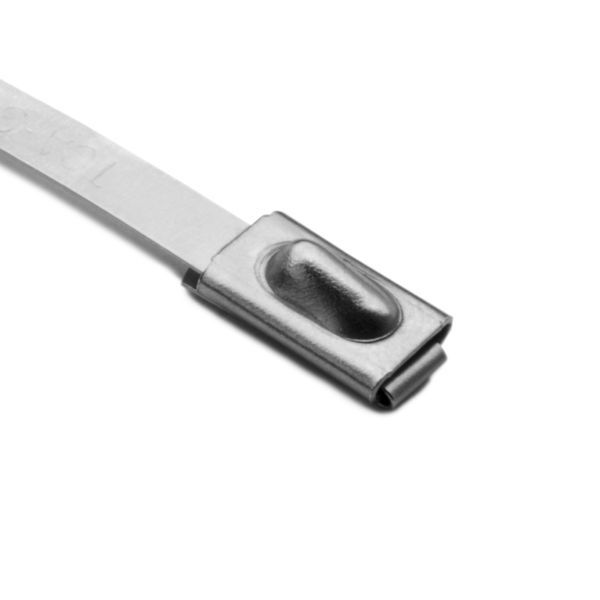
For extreme cold, Stainless Steel Cable Ties from Cable Ties Unlimited provide unmatched reliability. Crafted from durable stainless steel, these ties maintain full tensile strength in freezing conditions. Unlike nylon, they do not embrittle when exposed to cold or moisture.
These ties also resist chemicals, UV rays, and fire, making them suitable for the harshest environments. With a ball-locking mechanism, installation is quick and secure. Rounded edges prevent cable damage, ensuring both safety and performance.
Available in multiple lengths and tensile strengths, stainless steel cable ties meet the needs of industries from telecommunications to aerospace. For professionals working in U.S. winters or arctic environments, they are the most dependable choice for cold-weather performance.
Avoiding Common Mistakes
One mistake is assuming UV-resistant or heat-stabilized ties work in freezing conditions. These ties are designed for sunlight or heat, not extreme cold. Another mistake is using standard nylon outdoors in winter. Even if they seem strong indoors, they often snap outside.
Failing to warm ties before use is another issue. Cold ties straight from unheated storage are brittle and prone to cracking. Keeping them indoors until needed reduces this risk.
Future of Cold-Resistant Cable Ties
Material science continues to evolve. Researchers are developing nylon blends with greater flexibility at subzero temperatures. These new plastics may close the gap between affordable nylon and premium fluoropolymers or steel.
Smart ties may also play a role. Embedded sensors could alert technicians if a tie is nearing failure due to temperature stress. This would allow proactive maintenance before ties snap.
Sustainability will also influence design. Cold-resistant ties made from recyclable or biodegradable materials may emerge, combining durability with environmental responsibility.
Wrapping Up
Cold weather is unforgiving. Standard nylon ties crack and fail, risking safety and increasing costs. Reliable performance in freezing environments requires the right material, proper installation, and smart planning.
Weather-resistant nylon and fluoropolymers provide improved performance, but stainless steel remains the gold standard for extreme cold. Products like Stainless Steel Cable Ties ensure cables stay secure in U.S. winters, even at -40 °F or below.
For industries that cannot afford downtime, investing in cold-rated cable ties is essential. With the right products and practices, ties will hold firm no matter how low the temperature drops.
For more insights and tips on cable ties and other related products, explore cabletiesunlimited.com, get a quick and free quote, and follow us on our social media communities on Facebook and Instagram!