Cables are everywhere—from data centres to offices, cars to home theatres. If you want neat, protected, and long-lasting wiring, cable sleeving is your secret weapon. But what exactly is cable sleeving, and which type is right for your job? Let’s break it down.
What Is Cable Sleeving?
Cable sleeving is a protective cover designed to wrap around wires, cable bundles, or hoses. Its main jobs are simple: protect against abrasion, guard against heat or chemicals, keep things organised, and sometimes even add a dash of style. Unlike conduit or hard tubing, sleeving is usually flexible, lightweight, and available in a wide range of materials and colours.
You’ll find cable sleeving in everything from automotive wiring harnesses and gaming PCs to industrial machinery and audio setups. Whether you want to shield cables from rough edges, tame an ugly tangle, or add some colour-coding for easy troubleshooting, sleeving can do the trick.
Learn more:Wire Tubing or Sleeving? Understanding the Difference and Making the Right Choice.
Why Use Cable Sleeving?
Let’s get real—bare cables are vulnerable. They can snag, tangle, overheat, or just look messy. Cable sleeving:
Extends the life of your cables by shielding them from wear, dust, heat, and chemicals
Makes installations look professional and organised
Eases maintenance by keeping wires together and colour-coded
Provides customisation for branding, identification, or aesthetics
The Main Types of Cable Sleeving
There isn’t a one-size-fits-all answer for sleeving. The best type depends on what you need: protection, flexibility, easy installation, or good looks. Here are the most popular options.
1. Braided Sleeving
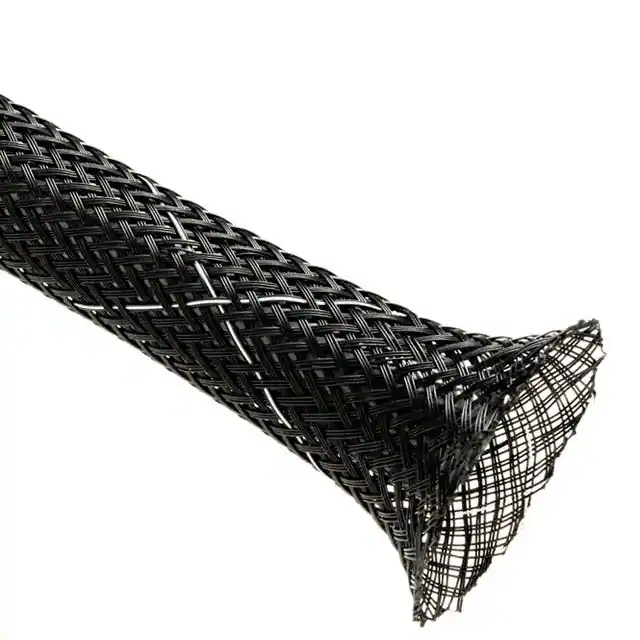
Braided sleeving is the workhorse of the bunch. Made from polyester, nylon, or even metal fibres, it expands to fit over connectors and odd-shaped bundles. The open weave lets heat escape and resists abrasion well. It’s perfect for automotive, industrial, and even custom PC builds.
2. Spiral Wrap
The flexible spiral wrap coils around bundles, allowing cables to branch out at any point. Spiral wrap is ideal for setups where you need regular access or want to separate lines along the way—like robotics, audio, and office wiring.
3. Heat Shrink Tubing
Slide this over your cable, add heat, and it contracts tightly for a custom fit. Heat shrink offers excellent insulation, water resistance, and strain relief at terminations or repairs. Use it for sealing and securing joints or protecting connections exposed to the elements.
4. Split Loom (Wire Loom)
Split loom is a corrugated, split tube that opens easily to add or remove wires. It provides flexible, lightweight protection and is a favourite in automotive, home theatre, and DIY projects.
Here’s a quick reference to help you choose the right cable sleeving for your project.
Type
Material
Best For
Protection Level
Flexibility
Key Advantages
Limitations
Braided Sleeving
Polyester, nylon, metal
PCs, auto, industry
High
High
Expands easily, abrasion-resistant
Not fully sealed, can fray when cut
Spiral Wrap
Polyethylene, PVC
Robotics, audio, office
Moderate
Very high
Easy to add/remove, cables can exit
Lower abrasion resistance
Heat Shrink Tubing
Polyolefin, PVC
Terminations, repairs
Very high
Low after shrink
Seals tightly, waterproof
One-time use, harder to rework
Split Loom
Polyethylene
Auto, home, DIY
Moderate
High
Easy install/removal, lightweight
Bulky for small bundles
Textile/Flame Retard.
Fiberglass, fabric
High-temp, industrial, fire
Very high
Moderate
Handles high temps, fire-safe
Expensive, limited colours
Choosing the Right Sleeving for Your Needs
Think about your environment. Are you working in a hot engine bay, a tidy office, or a dusty warehouse? Do you need easy access to individual wires, or are you after maximum protection from liquids or fire?
If you want quick organisation in your home theatre, split loom is fast and forgiving. For custom PC builds, braided sleeving delivers pro-level looks and keeps airflow up. In the engine bay or factory, textile or flame-retardant sleeving is your best defence against heat and sparks. Need frequent access to individual wires? Spiral wrap is king.
Final Thoughts: Don’t Leave Your Cables Unprotected
Good cable sleeving is more than just a finishing touch. It keeps your wires safer, installations neater, and maintenance easier. The right sleeving choice adds years of life to your setup and a little pride to every job.
Before you start your next wiring project, consider not just how it looks—but how well you’ve protected it for the long haul. That’s how you turn a quick fix into a professional solution that lasts.
For more insights and tips on cable ties and other related products, explore cabletiesunlimited.com, get a quick and free quote, and follow us on our social media communities on Facebook and Instagram!
written By
Kyle Hinckley
Kyle Hinckley is a cable management specialist with over 15 years of experience in industrial and commercial
applications. He has helped hundreds of businesses optimize their cable infrastructure and improve workplace
organization.
About Cable Ties Unlimited
Cable Ties Unlimited represent one of the most cost-effective solutions for organization, repairs, and creative projects.
By thinking beyond their traditional use for cable management, you can discover hundreds of applications that
will save you time and money.
Get Expert Cable Management Tips
Join 10,000+ professionals receiving our weekly newsletter with industry insights, product guides, and
exclusive offers.


 Braided sleeving is the workhorse of the bunch. Made from polyester, nylon, or even metal fibres, it expands to fit over connectors and odd-shaped bundles. The open weave lets heat escape and resists abrasion well. It’s perfect for automotive, industrial, and even custom PC builds.
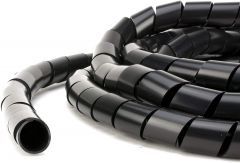 The flexible spiral wrap coils around bundles, allowing cables to branch out at any point. Spiral wrap is ideal for setups where you need regular access or want to separate lines along the way—like robotics, audio, and office wiring.
 Slide this over your cable, add heat, and it contracts tightly for a custom fit. Heat shrink offers excellent insulation, water resistance, and strain relief at terminations or repairs. Use it for sealing and securing joints or protecting connections exposed to the elements.
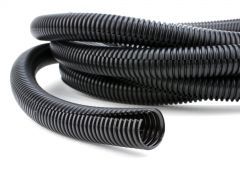 Split loom is a corrugated, split tube that opens easily to add or remove wires. It provides flexible, lightweight protection and is a favourite in automotive, home theatre, and DIY projects.
 When fire safety matters, textile or fiberglass sleeving—sometimes with special coatings—gives you a high level of heat and flame resistance. These are vital in industrial, military, and high-temp environments.
Learn more: Woven Sleeving or Tubing for Cables and Wires? The Complete Guide for Real-World Installs.
When fire safety matters, textile or fiberglass sleeving—sometimes with special coatings—gives you a high level of heat and flame resistance. These are vital in industrial, military, and high-temp environments.
Learn more: Woven Sleeving or Tubing for Cables and Wires? The Complete Guide for Real-World Installs.