Fiber optic cables are the backbone of modern communication networks, supporting everything from high-speed internet to complex data centers and telecommunications infrastructure. Due to their sensitivity and specific handling requirements, properly managing and securing fiber optic cables is essential to maintaining their performance and longevity. One common question that arises during fiber optic installations is: "Can standard cable ties be used for optic cables?"
In this comprehensive guide, we will explore the potential risks and considerations of using standard cable ties for fiber optic cables, the differences between traditional and fiber-friendly ties, and best practices for securing and managing fiber optic installations.
Understanding Fiber Optic Cables: Why Are They So Sensitive?
Before diving into whether standard cable ties can be used, it’s crucial to understand why fiber optic cables require special handling.
Fiber optic cables are made up of thin strands of glass or plastic fibers that transmit data as light signals. While these cables offer incredible bandwidth and speed, they are also delicate. Excessive pressure, tight bends, or improper handling can damage the fibers inside, leading to issues such as:
Signal loss (attenuation)
Increased bit error rates
Broken fibers leading to total signal failure
Reduced lifespan of the cable
Because fiber optic cables are sensitive to physical stress, the way they are bundled, secured, and routed plays a significant role in preserving their integrity and performance.
The Risks of Using Standard Cable Ties on Fiber Optic Cables
Standard cable ties, typically made from nylon, are widely used in electrical and network installations for bundling and securing cables. While they work well for copper or power cables, they can pose several risks when used with fiber optic cables.
1. Excessive Compression
Standard cable ties are designed to be tightened securely to hold cables firmly in place. When applied to fiber optic cables, excessive tension can compress the cable jacket and damage the internal fibers. Even if the damage isn't immediately noticeable, over time, microbends and macrobends can develop, leading to signal loss and degraded performance.
2. Inconsistent Tension
Without specialized tensioning tools, installers may over-tighten or under-tighten standard cable ties. Over-tightening increases the risk of cable damage, while under-tightening may result in cables slipping or becoming disorganized.
3. Lack of Flexibility
Standard cable ties create a rigid bundle of cables, which can limit the flexibility needed for fiber optic cable routing. Fiber cables require gentle bends and curves, and being restricted by tight ties can lead to bend radius violations, potentially causing signal degradation.
4. Damage During Maintenance
During maintenance or network upgrades, cutting standard cable ties to access cables can inadvertently nick or cut into the fiber cables, causing permanent damage.
Fiber Optic-Specific Cable Management Solutions
Given the risks associated with standard cable ties, many manufacturers offer cable management solutions specifically designed for fiber optics. Here are some alternatives that help protect fiber optic cables while maintaining proper organization:
1. Hook and Loop (Velcro) Straps
Hook and loop straps are one of the most fiber-friendly options. These reusable straps allow for adjustable tension and can be easily opened and closed during maintenance. They reduce the risk of over-compression and allow for gentle bundling that won't damage the fibers.
Benefits:
Reusable and adjustable
Gentle on fiber optic cables
Easy to install and remove
Cost-effective solution
2. Low-Tension Cable Ties
Some manufacturers offer low-tension nylon cable ties specifically designed for sensitive cables like fiber optics. These ties can be applied using a calibrated tensioning tool to ensure the correct tension is applied without over-tightening.
Benefits:
Controlled tension reduces risk of damage
Compatible with tensioning tools
Cost-effective and widely available
3. Cable Management Clips and Panels
For structured cabling environments, such as data centers, cable management panels, trays, and clips are often used. These systems allow fiber optic cables to be routed with the correct bend radius while preventing them from being compressed or stressed.
Benefits:
Regardless of the cable management method used, adhering to best practices is essential to maintaining the performance and longevity of fiber optic cables.
1. Maintain Proper Bend Radius
Fiber optic cables have a minimum bend radius, usually specified by the manufacturer. Exceeding this bend radius can cause attenuation and damage to the fibers. As a rule of thumb, the minimum bend radius is often around 10 times the cable's outer diameter.
2. Avoid Over-Tightening
When using cable ties, ensure they are secure but not tight enough to compress the cable. If using standard cable ties, consider a tensioning tool that prevents over-tightening.
3. Use Fiber-Safe Accessories
Whenever possible, use accessories specifically designed for fiber optic cables, such as hook and loop straps, fiber management trays, and radius guides.
4. Separate Fiber from Copper Cables
Keep fiber optic cables separate from copper cables, especially power cables, to avoid electromagnetic interference (EMI) and to prevent heavier cables from compressing or damaging the fiber.
5. Plan for Future Maintenance
Use cable management solutions that allow for easy maintenance and reconfiguration. Hook and loop straps or reusable ties make it simple to add, remove, or reroute cables without risking damage.
Situations Where Standard Cable Ties May Be Acceptable
While it’s generally recommended to avoid standard cable ties for fiber optic cables, there are situations where they can be used safely with proper precautions:
Loose Application: If standard cable ties are applied loosely—allowing the cable bundle to move slightly—they can provide basic organization without compressing the cables.
Using Tension-Limiting Tools: When used with a calibrated tensioning tool, standard cable ties can be applied at a safe tension level that minimizes the risk of damage.
Protective Sleeving: In some cases, adding a protective sleeve around the fiber optic cables before bundling them with standard ties can help distribute pressure and prevent direct compression.
Alternatives to Standard Cable Ties for Fiber Optic Cables
Cable Management Solution
Suitability for Fiber Optics
Pros
Cons
Standard Cable Ties
Limited (if used carefully)
Inexpensive, widely available
Risk of over-tightening and compression
Hook and Loop Straps
Highly Suitable
Reusable, adjustable, fiber-safe
Slightly higher cost
Low-Tension Cable Ties
Suitable
Controlled tension, fiber-safe
Requires tensioning tool
Cable Management Panels/Trays
Highly Suitable
Provides routing and bend radius support
More complex installation
Conclusion: Should You Use Standard Cable Ties for Fiber Optic Cables?
In most cases, standard cable ties are not the ideal choice for securing fiber optic cables due to the risks of over-tightening and fiber damage. While they can be used in specific scenarios with careful handling and proper tensioning tools, it’s generally safer to opt for fiber-friendly cable management solutions.
Hook and loop straps, low-tension cable ties, and structured cable management systems are better alternatives that protect the integrity of fiber optic cables while ensuring proper organization and maintenance access.
For network professionals and installers, investing in fiber-safe cable management solutions helps prevent costly network downtime, signal loss, and cable replacements—ultimately leading to a more reliable and efficient network infrastructure.
For more insights and tips on cable ties and other related products, explore cabletiesunlimited.com and follow us on our social media communities on Facebook and Instagram!
written By
Kyle Hinckley
Kyle Hinckley is a cable management specialist with over 15 years of experience in industrial and commercial
applications. He has helped hundreds of businesses optimize their cable infrastructure and improve workplace
organization.
About Cable Ties Unlimited
Cable Ties Unlimited represent one of the most cost-effective solutions for organization, repairs, and creative projects.
By thinking beyond their traditional use for cable management, you can discover hundreds of applications that
will save you time and money.
Get Expert Cable Management Tips
Join 10,000+ professionals receiving our weekly newsletter with industry insights, product guides, and
exclusive offers.


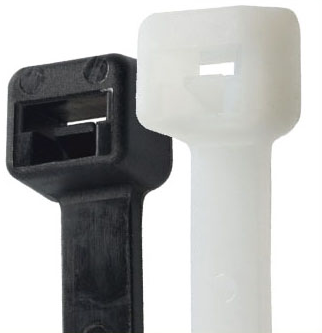 Standard cable ties, typically made from nylon, are widely used in electrical and network installations for bundling and securing cables. While they work well for copper or power cables, they can pose several risks when used with fiber optic cables.
 Regardless of the cable management method used, adhering to best practices is essential to maintaining the performance and longevity of fiber optic cables.