

Choosing the right wire connector for your project may seem simple, but one detail makes a massive difference: corrosion resistance. Corrosion-proof wire connectors cost a bit more, but many professionals and DIYers find they’re worth every cent. Let’s dig into what makes these connectors unique, when you should use them, and whether the extra investment pays off for homes, businesses, and demanding outdoor jobs.
What Is Corrosion in Electrical Wiring?
Corrosion is the slow destruction of metals by chemical reactions with their environment. In simple terms, moisture, salt, or chemicals attack metal wire or connectors and break down their structure. Over time, corrosion forms a crusty, flaky, or greenish coating—often called “rust” (on iron) or “verdigris” (on copper). This weakens your connections and interrupts electrical flow.
Even a tiny amount of corrosion on a connector can raise resistance, cause overheating, and eventually lead to total failure. This is why it’s such a big deal in electrical systems.
What Are Corrosion-Proof Wire Connectors?
Corrosion-proof wire connectors are specially designed to block water, salt, and other corrosive substances from reaching the metal inside. These connectors usually use:
- Special plastic shells that keep water out
- Rubber gaskets or seals at every entry point
- Internal coatings that stop chemical reactions
- Non-corroding metals, like brass or stainless steel
Where Does Corrosion Strike Hardest?
While corrosion can happen anywhere, some environments make it much worse. You should pay extra attention to connector choice if your job involves:
- Coastal regions with salt air
- Outdoor lighting and garden systems
- Underground wiring and irrigation controls
- Marine equipment or docks
- Factories or workshops with chemicals or moisture
- Pool pumps and spas
- Anywhere exposed to regular rain, condensation, or cleaning sprays
Even garages and basements can be risky if they’re damp or humid. It’s always best to plan ahead.
How Does Corrosion Hurt Your Wiring?
You might think a bit of green or white powder inside a connector is harmless, but the damage starts quickly. Corrosion:
- Increases resistance, making wires heat up
- Breaks the electrical connection, causing flickers or total loss
- Can lead to short circuits and fire hazards
- Destroys the strength of the wire and connector, making them brittle
- Ruins sensitive electronics if it spreads far enough
Replacing a few connectors is much cheaper than repairing an entire circuit, so prevention always beats repair.
What Makes Corrosion-Proof Connectors Different?
Ordinary connectors may look tough, but most don’t protect well against water, salt, or chemicals. Corrosion-proof connectors stand out because:
- Their seals or barriers keep moisture away from the metal
- High-quality plastics withstand sunlight and weather without cracking
- Anti-oxidant gels coat the metal surfaces, blocking air and water
- Some use a double-seal system for extra security
- The metals inside resist chemical reactions, even in rough environments
These features let your wiring last much longer, even in the toughest conditions.
Benefits of Corrosion-Proof Wire Connectors
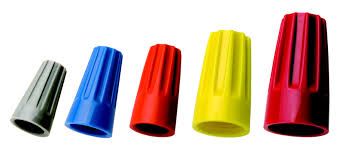 Let’s look at the main reasons people invest in corrosion-proof connectors:
1. Longer Lifespan
Standard connectors can fail in months if exposed to moisture. Corrosion-proof types often last years, even decades. You avoid constant repairs and replacements.
2. Fewer Callbacks
If you’re an electrician or installer, you know the pain of callback jobs. Using quality, corrosion-resistant connectors means you get fewer emergency calls from unhappy clients.
3. Better Safety
Corroded connectors are a leading cause of electrical faults and fires. When you block corrosion, you keep systems safe for everyone.
4. Peace of Mind
Knowing your wiring is built to last lets you focus on other things. This matters for busy workplaces, schools, and family homes.
5. Cost Savings Over Time
Yes, corrosion-proof connectors cost more upfront. But over the years, you save on maintenance, avoid costly faults, and protect your expensive equipment.
Where Should You Always Use Corrosion-Proof Connectors?
Some situations demand nothing less. Don’t cut corners in these locations:
- Outdoor lights and power outlets
- Pool, spa, and irrigation systems
- Marine and dockside equipment
- Factory and warehouse environments
- Any underground or exposed wiring
It’s a wise investment anywhere you can’t inspect or fix the wiring easily.
Are All Corrosion-Proof Connectors the Same?
No, not all are equal. You’ll find a range of quality and prices. Look for connectors with:
- Recognised third-party certifications (like UL Listed, CSA, or AS/NZS standards)
- Clear ratings for outdoor, wet, or corrosive environments
- Trusted brands with proven track records
- Customer reviews from people in similar climates
The best connectors make installation easy—no sticky mess, no tricky sealing steps. Read the packaging and manufacturer’s advice.
How to Install Corrosion-Proof Wire Connectors

For best results, follow these tips:
- Always strip wires cleanly, removing all old corrosion before connecting
- Dry wires thoroughly before connecting if they’ve been wet
- Use the right size connector for your wires
- Insert wires fully so the seal is complete
- Twist or push the connector as the instructions say—don’t force it
- If the connector contains anti-oxidant gel, make sure it coats all metal surfaces
- Inspect your join and give each wire a gentle tug
Take care with underground or hard-to-reach wiring. Once installed, you want to forget about it!
Do You Really Need Corrosion-Proof Connectors Indoors?
For most dry, climate-controlled indoor jobs, standard connectors do just fine. But even indoors, think about corrosion protection if you have:
- High humidity (like in bathrooms or laundries)
- Pipes or tanks that might leak
- Buildings near the coast
- Outbuildings or garages with poor insulation
Sometimes, spending a bit more on protection brings peace of mind and reduces future repairs.
Common Myths About Corrosion-Proof Connectors
Let’s clear up a few common misunderstandings:
- “They’re only for big projects.” Not true—small DIY jobs benefit too.
- “You can just use tape or gel on standard connectors.” While this helps, it’s not as reliable as a factory-sealed solution.
- “Any connector is fine if you keep things dry.” Even brief dampness or condensation can start corrosion, especially over years.
- “All corrosion-proof connectors are waterproof.” Some are only water-resistant, so always check the rating.
When Are They Not Worth the Investment?
If you’re doing a quick repair indoors, far from moisture, and plan to inspect the wiring often, standard connectors are okay. For rental properties or places you don’t control, check if investing in higher-end parts is allowed or cost-effective. Always match your choice to the job.
Real World Examples
- Electricians along the coast swear by corrosion-proof connectors for beach houses. Salt air quickly destroys unprotected joins.
- Garden lighting installers use them for every outdoor job, saving time on warranty repairs.
- Farmers and pool builders use these connectors to reduce risks from heavy rain and floods.
- DIYers find corrosion-proof connectors take the worry out of backyard power projects.
Final Verdict: Are Corrosion-Proof Wire Connectors Worth It?
In almost every outdoor, underground, or moisture-prone setting, corrosion-proof wire connectors pay for themselves. They reduce future headaches, make your work safer, and save money in the long run. If you value reliability, safety, and peace of mind, the extra investment is worth it.
For more insights and tips on cable ties and other related products, explore cabletiesunlimited.com, get a quick and free quote, and follow us on our social media communities on Facebook and Instagram!