Temperature extremes pose a serious challenge to any cable management system. Whether you're working in automotive, outdoor telecom, renewable energy, or aerospace, rapid shifts between hot and cold can cause standard cable ties to fail. Choosing the right type of cable tie is critical in maintaining safety, organization, and long-term functionality in these tough environments.
Let’s explore the best cable tie materials, installation strategies, and use cases for areas that experience sharp or frequent temperature changes.
Why Temperature Swings Matter in Cable Management
In environments where temperatures swing drastically—from hot summer days to freezing nights—plastic materials face intense stress. A tie that performs well in one condition might crack, warp, or weaken in another.
Thermal expansion and contraction can:
Loosen cable ties over time
Cause embrittlement and cracking
Damage to the insulation on bundled cables
Result in premature system failures or safety hazards
These industries regularly experience severe or unpredictable thermal conditions:
1. Automotive and Off-Highway Vehicles
Vehicles exposed to direct sunlight during the day and cold nights see major thermal fluctuations—especially under the hood or along chassis lines.
2. Outdoor Telecommunications
Cell towers, junction boxes, and fiber conduits in outdoor installations need cable ties that can tolerate wind-chill and radiant heat from direct sun.
3. Renewable Energy
Solar farms and wind installations experience both extreme cold and high UV exposure. Poor-quality cable ties crack, sag, or degrade under these stresses.
4. Aerospace and Defense
Aircraft, drones, and satellite systems must function across intense altitude-related shifts in temperature.
5. Construction and Infrastructure
Bridges, tunnels, and road-side equipment are exposed to ambient conditions year-round, making temperature-resilient fasteners critical.
Best Materials for Temperature-Sensitive Cable Tie Applications
Temperature range: -328°F to 1000°F (-200°C to 538°C)
Corrosion-resistant and non-flammable
Often paired with polyester coatings to reduce abrasion
Best for oil rigs, offshore wind, refineries, and desert installations.
Features That Help With Temperature Stress
1. Low Water Absorption
Plastic ties that absorb moisture may expand and contract with humidity and temperature, leading to inconsistent tension.
Nylon 12 and ETFE ties offer excellent resistance to water ingress.
2. Wide Operating Range
Choose ties with clearly rated operating temperatures that match your environment’s range.
Avoid basic nylon ties unless they’re specifically marked for heat or cold stability.
3. Smooth Edges and Rounded Heads
Rough-cut ties or sharp corners can dig into cable insulation as materials shift with temperature.
Rounded head designs minimize point pressure and abrasion.
4. Releasable Design (Optional)
In installations where environmental conditions change rapidly, you may want to reposition or adjust bundles. Releasable ties make reconfiguration possible without needing to cut and replace the entire tie.
Best Practices for Installation in Temperature-Sensitive Areas
✅ Choose the Right Tool
Use a tensioning tool that limits over-tightening, especially in cold weather. Cable ties become more brittle at low temperatures.
✅ Leave Expansion Gaps
Avoid cinching ties too tightly. Leave minimal room for thermal expansion of wires or cables within the bundle.
✅ Precondition Ties
Store ties in the environment for several hours before use, allowing them to match the ambient temperature and reduce thermal shock during installation.
✅ Use Appropriate Mounting Bases
In addition to the tie itself, use temperature-rated mounts, clamps, or adhesive bases that will not fail under shifting conditions.
Common Mistakes to Avoid
Using indoor-only ties outdoors
Over-tightening in cold temperatures
Ignoring UV or chemical exposure
Choosing ties by cost, not by material performance
Using the wrong tie width or length for bundle diameter
Even a premium material can fail if applied incorrectly. Always consider mechanical load, environment, and installation stress together.
Application Examples
Rooftop Solar Array in Desert Conditions
Problem: Daily heat over 120°F and nighttime cold
Solution: UV-stabilized PA66HS ties or ETFE-coated stainless steel ties for high-temperature stability and longevity
Power Utility Box in Coastal Canada
Problem: Salt exposure, freezing temperatures, and moisture
Solution: Nylon 12 or coated stainless steel ties for flexibility and corrosion resistance
Vehicle Harness in Engine Bay
Problem: Under-hood heat and winter cold starts
Solution: Heat-stabilized nylon ties rated to 221°F with low-profile heads to prevent chafing
Product Certifications to Look For
When selecting ties for thermally dynamic environments, look for these standards:
UL 62275: Performance of cable management systems
CSA C22.2: Canadian electrical safety
RoHS & REACH: Environmental compliance
MIL-SPEC (for defense applications)
FMVSS 302: Flame rating for automotive interiors
Make sure to verify the tie’s test range, material origin, and long-term UV testing before committing to large-scale use.
Final Thoughts
Temperature swings put even the best cable management systems to the test. But with the right cable tie—made of high-performance material and installed correctly—you can ensure safety, compliance, and long-term durability even in the most unpredictable climates.
Don’t rely on generic solutions. Choose purpose-built ties designed for temperature stress, and your systems will remain secure no matter what the forecast says.
For more insights and tips on cable ties and other related products, explore cabletiesunlimited.com, get a quick and free quote, and follow us on our social media communities on Facebook and Instagram!
written By
Kyle Hinckley
Kyle Hinckley is a cable management specialist with over 15 years of experience in industrial and commercial
applications. He has helped hundreds of businesses optimize their cable infrastructure and improve workplace
organization.
About Cable Ties Unlimited
Cable Ties Unlimited represent one of the most cost-effective solutions for organization, repairs, and creative projects.
By thinking beyond their traditional use for cable management, you can discover hundreds of applications that
will save you time and money.
Get Expert Cable Management Tips
Join 10,000+ professionals receiving our weekly newsletter with industry insights, product guides, and
exclusive offers.


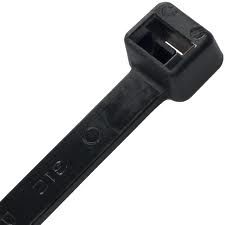 This is one of the most widely used materials for high-heat applications. Nylon 6.6 heat stabilized ties:
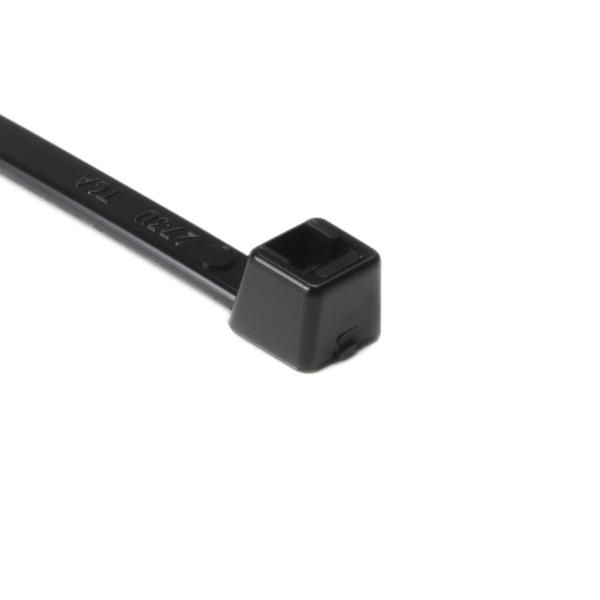 UV-stabilized ties are formulated to resist degradation under prolonged sun exposure. These ties:
 Unlike standard PA66, Nylon 12 offers better cold weather flexibility. It resists:
 A fluoropolymer offering excellent chemical and thermal resistance:
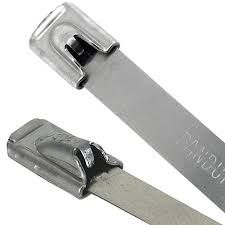 When plastics simply won't do, 304 or 316 stainless steel cable ties offer mechanical durability across extreme environments: